Signs You May Need a Root Canal
A root canal becomes necessary when the pulp, the soft tissue inside your tooth that holds nerves and blood vessels, becomes inflamed or infected. This is usually caused by deep decay, repeated dental work on the same tooth, or a crack or chip that lets bacteria reach the inside of the tooth. Without treatment, the infection can spread and eventually put the tooth at risk of extraction.
- Severe or persistent tooth pain
- Prolonged sensitivity to hot or cold, even after the trigger is gone
- Noticeable darkening or discoloration of the tooth
Common Root Canal Myths
Myth: a root canal is extremely painful. Fact: with modern anesthesia and technique, most patients say a root canal feels about the same as getting a filling. The pain from the infected tooth is usually what hurts, not the treatment that resolves it.
The Root Canal Procedure
- Diagnosis We use digital X-rays to confirm the extent of the infection and plan your treatment.
- Anesthesia The area around the tooth is fully numbed with local anesthesia before we begin.
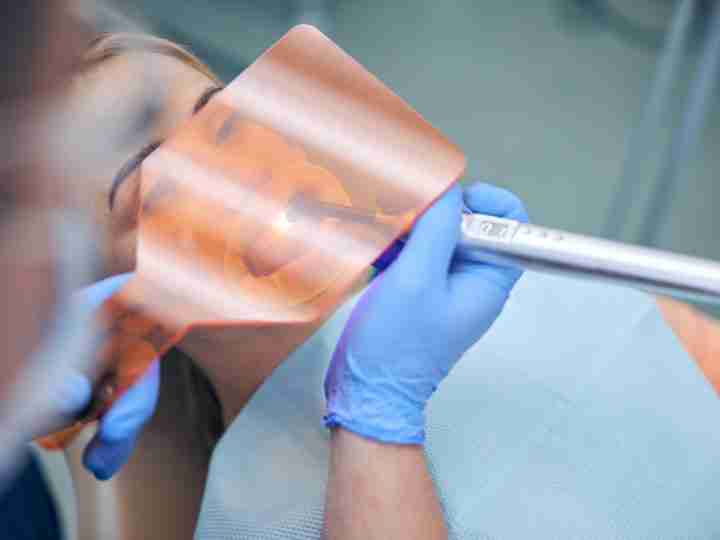
- Removing the Infected Pulp A small opening is made in the tooth to access and remove the infected or inflamed tissue inside.
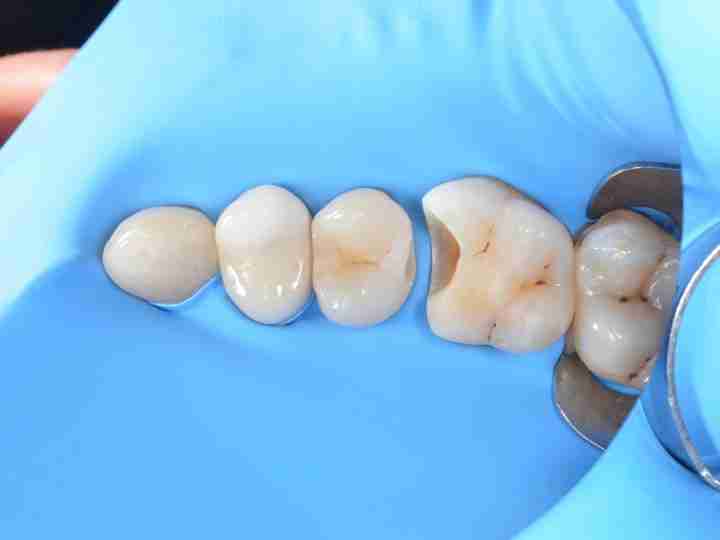
- Cleaning, Shaping, and Filling The inside of the tooth is cleaned and shaped, then filled with a biocompatible material and sealed to keep bacteria out.
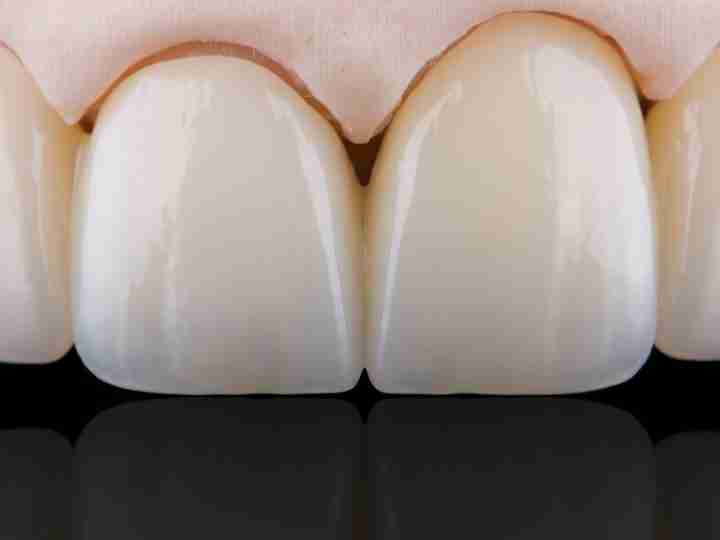
- Restoration Most teeth need a crown afterward, since a root canal treated tooth becomes more brittle over time and needs the extra protection.
Recovery After a Root Canal
Mild soreness for a day or two afterward is normal and usually manageable with over-the-counter pain relievers. Avoid chewing on the treated tooth until your permanent crown or filling is in place, but otherwise you can go back to your normal routine, including brushing and flossing as usual. If pain worsens instead of improving, or you notice swelling, call our office so we can take a look.
Why Save Your Natural Tooth?
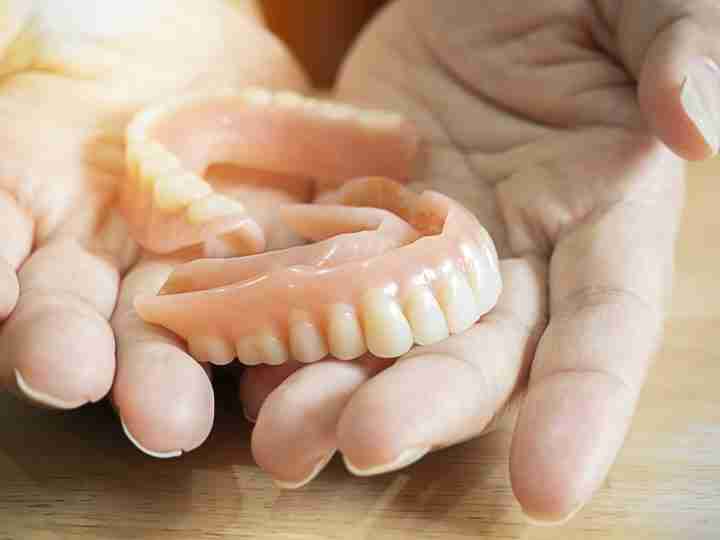
Whenever possible, saving your natural tooth is preferable to replacing it. A root canal treated tooth, protected afterward with a crown, can function well for many years, and keeping your own tooth avoids the extra treatment involved in a bridge or a dental implant. Most dental insurance plans include coverage for root canals, and we also offer payment plans if you would like to spread out the cost.
Frequently Asked Questions
Is a root canal painful?
Modern anesthesia and technique make root canal treatment about as comfortable as getting a filling for most patients.
Any soreness afterward is typically mild and short-lived, and manageable with over-the-counter pain relievers.
How long does the treatment take?
Most root canals are completed in one or two appointments, depending on the tooth and the extent of the infection, with each visit typically lasting 60 to 90 minutes.
Your dentist will give you a clear estimate once they have examined the tooth.
What are the alternatives to a root canal?
The main alternative is extraction, often followed by a dental implant or bridge to replace the tooth.
Saving your natural tooth with a root canal is usually the simpler and more cost-effective option compared to replacing it later.
Will I definitely need a crown afterward?
Most root canal treated teeth need a crown, since the tooth becomes more brittle once the pulp is removed.
In some cases, a large filling is enough. We will let you know which applies to your tooth.
What happens if I ignore the symptoms?
An untreated infection does not resolve on its own and can spread further into the tooth and surrounding bone.
Treating it earlier generally means a more predictable outcome and a better chance of saving the tooth.