What Are Inlays and Onlays?
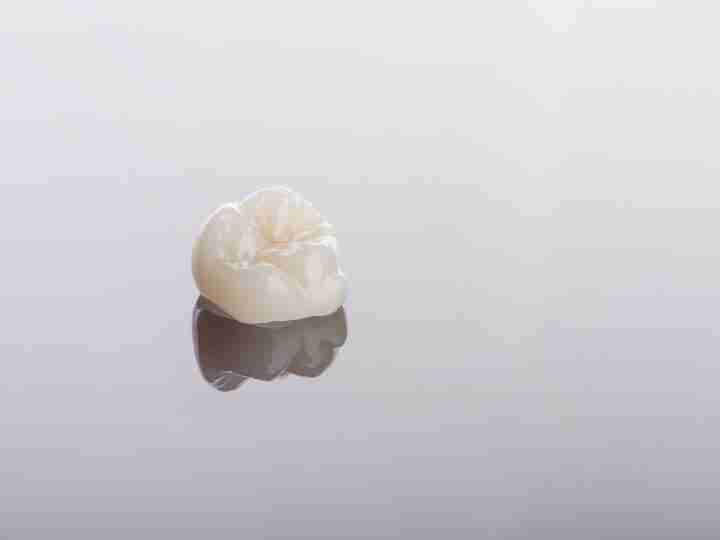
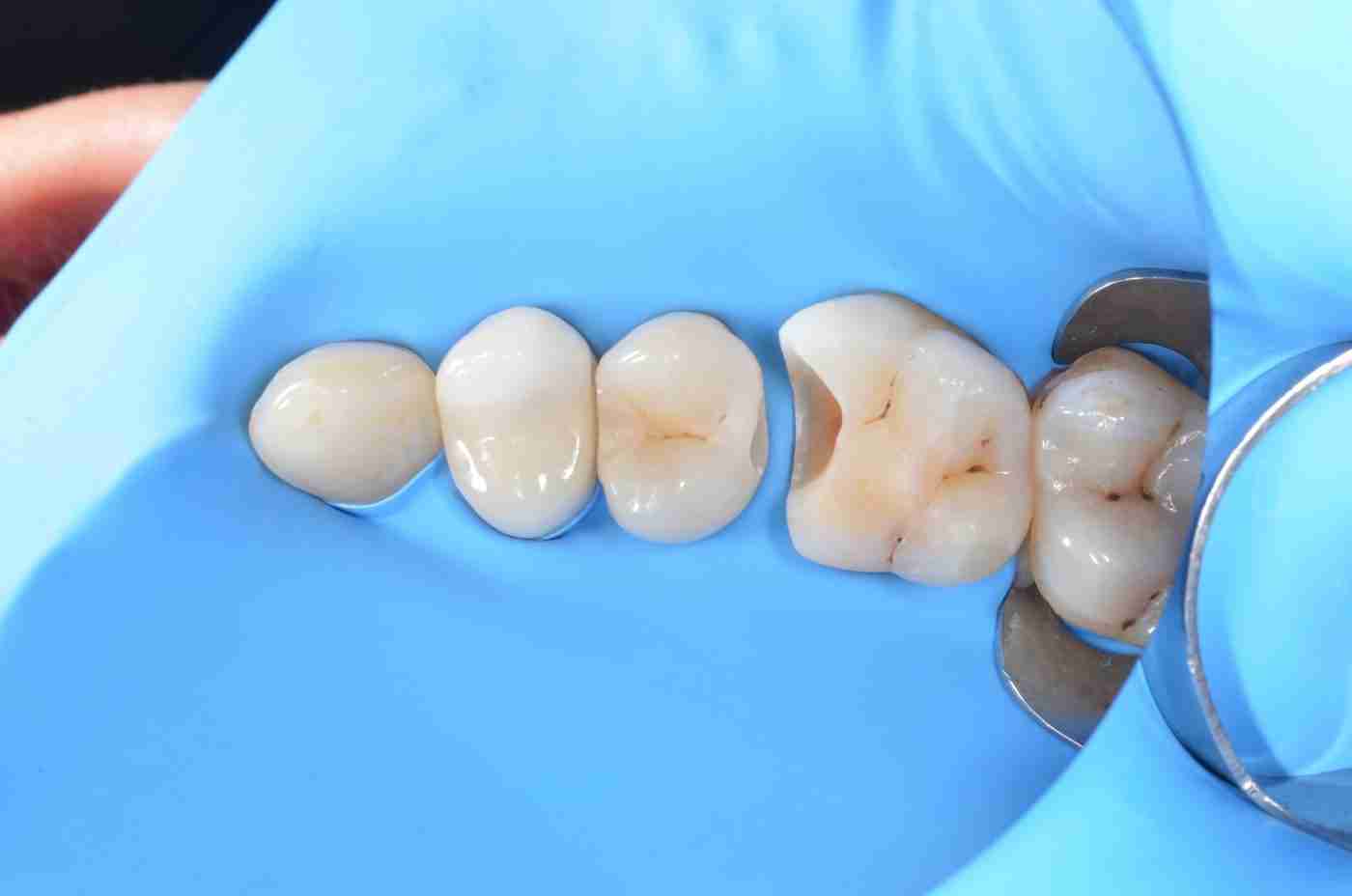
Inlays and onlays are conservative restorations used when a tooth has too much damage for a filling but not enough to need a full crown. An inlay fits within the grooves of the tooth, while an onlay extends over one or more of the tooth’s cusps, the raised points on the biting surface. Both are custom-made from durable, tooth-colored materials like porcelain or composite resin, and occasionally gold.
Which one you need depends on exactly where the damage is. If it is limited to the grooves between the cusps, an inlay is usually enough. If the damage extends over a cusp itself, an onlay provides the extra coverage that area needs.
Inlays and Onlays vs. Fillings and Crowns
Choosing between a filling, an inlay or onlay, and a crown usually comes down to how much of the tooth is damaged. Here is how they compare.
| Filling | Inlay / Onlay | Crown | |
|---|---|---|---|
| Tooth structure removed | Minimal | Moderate | The most extensive |
| How it’s made | Placed directly in one visit | Hand-crafted at a dental lab | Hand-crafted at a dental lab |
| Best for | Small to moderate cavities | Damage beyond a filling but not enough for a crown | Extensive damage or a tooth needing full coverage |
The Inlay and Onlay Process
- Evaluation and Digital Scan We evaluate the tooth and take a digital scan used to design your custom inlay or onlay.
- Tooth Preparation The damaged or decayed portion of the tooth is carefully removed to prepare it for the restoration.
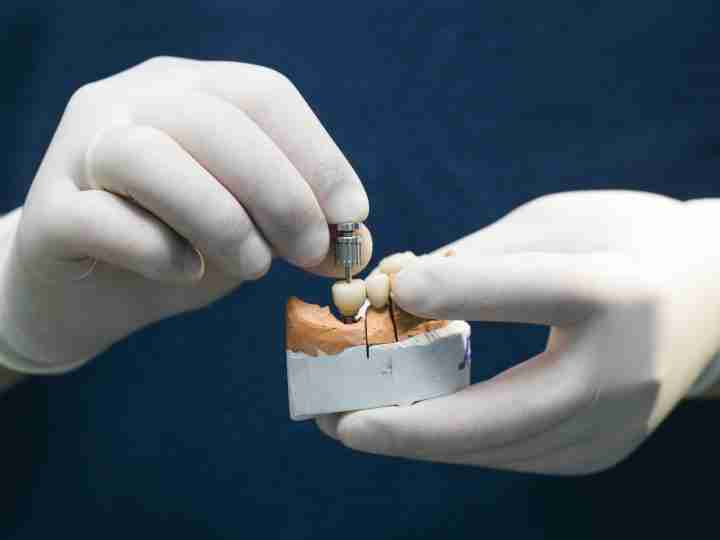
- Custom Lab Fabrication Your inlay or onlay is hand-crafted at a dental lab to match your tooth’s shape, size, and color, while a temporary restoration protects the tooth in the meantime.
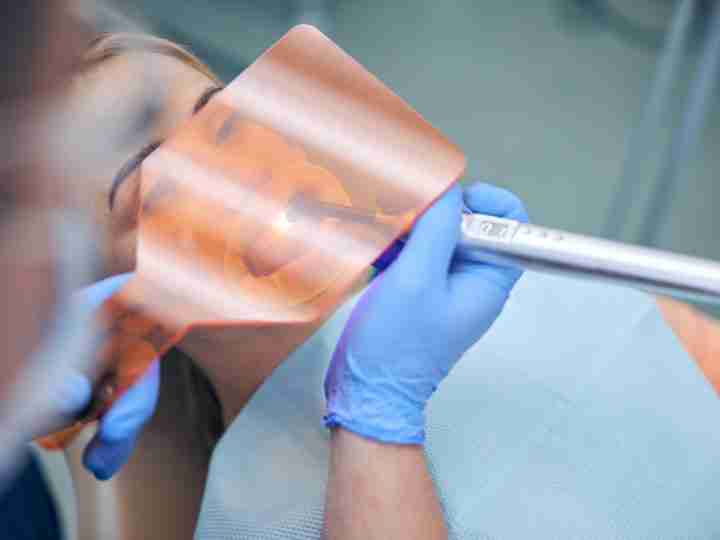
- Fitting and Bonding At your second visit, we check the fit against your bite, then bond the restoration securely and polish it for a smooth, natural feel.
Why Not Just Get a Filling or a Crown?
A filling works well for smaller cavities, but once decay or damage spreads across more of the tooth, a filling alone can weaken rather than strengthen it. A full crown solves that problem but removes more healthy tooth structure than necessary for damage that has not spread to the entire tooth. Inlays and onlays exist for exactly that in-between case, giving you a restoration sized to the actual damage rather than over-treating or under-treating the tooth.
Benefits of Inlays and Onlays
- Conservative: preserves more of your natural tooth than a crown would
- Durable, hard-wearing materials built to last
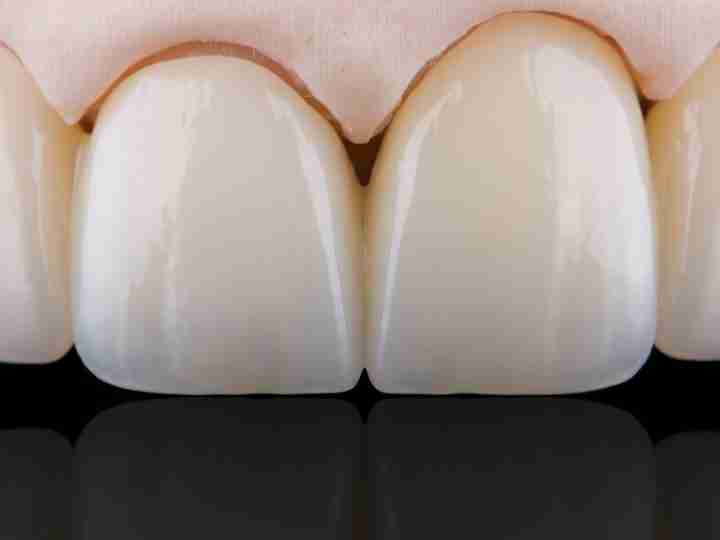
- Blends naturally with the color and shape of your smile
- Because more of the natural tooth is preserved and the restoration bonds directly to it, inlays and onlays add meaningful strength compared to a large filling
Frequently Asked Questions
How do I care for my inlays or onlays?
Caring for inlays and onlays is just like caring for your natural teeth: regular brushing, flossing, and checkups.
There is nothing special you need to do differently once the restoration is bonded in place.
How long do inlays and onlays last?
With proper care, inlays and onlays can last for decades.
Their lifespan depends on the material used and how consistent you are with brushing, flossing, and regular checkups.
Are inlays or onlays noticeable?
No. They are made to match the color and shape of your natural tooth, so they blend in and are difficult to notice in your mouth.
This is one of the reasons they are a popular alternative to a more visible metal filling.
Does insurance cover inlays and onlays?
Coverage varies by plan, so we recommend checking your insurance benefits before treatment.
We also offer payment plans if you would prefer to spread the cost out over time.