What Is Gum Disease?
Gum disease, also called periodontal disease, is a common infection of the tissue and bone that support your teeth. Left untreated, it can lead to gum recession, loose teeth, and eventually tooth loss, along with other health complications. Catching it early makes treatment simpler and more effective.
Stages of Gum Disease
Gum disease usually develops in stages. It often starts as gingivitis, inflammation limited to the gums that is still reversible with good oral hygiene and professional cleaning. Left untreated, it can progress to periodontitis, where the infection spreads below the gumline and begins to affect the bone that holds your teeth in place. The longer it goes untreated, the more advanced, and the harder to reverse, it becomes, which is why we recommend addressing symptoms as soon as you notice them.
Signs of Gum Disease
Gum disease can be subtle in its early stages, which is one more reason routine checkups matter. Watch for:
- Swollen, red, or bleeding gums
- Persistent bad breath
- Teeth that feel loose or shifted
- Pain or discomfort when chewing
How We Diagnose Gum Disease
Diagnosis starts with a thorough exam of your gums, using digital imaging and a periodontal probe to measure any pockets that have formed between your teeth and gums. This tells us how far the disease has progressed and helps us recommend the treatment approach that makes the most sense for your case.
Scaling and Root Planing
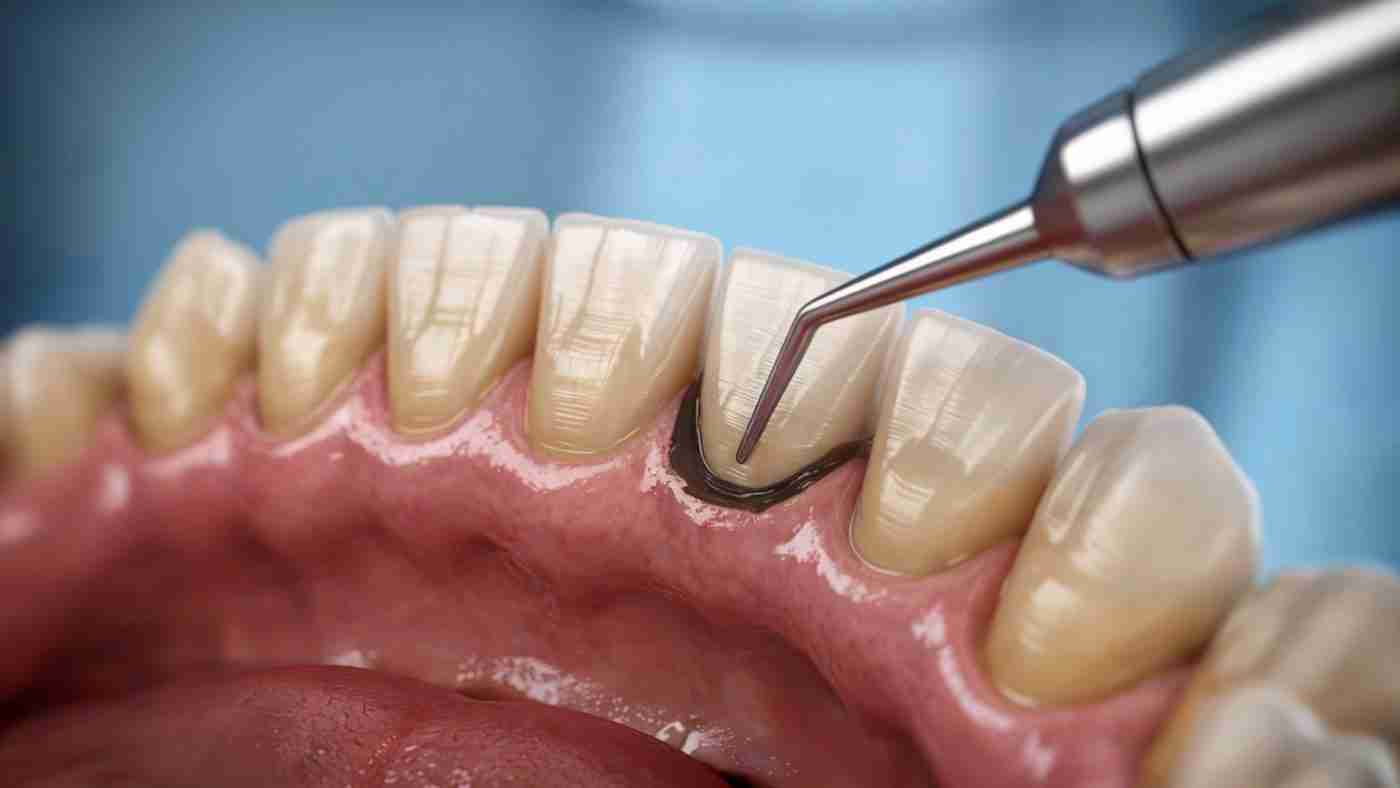
Scaling and root planing is a deep-cleaning procedure and often the first step in treating gum disease. Scaling removes plaque and tartar from above and below the gumline, while root planing smooths the root surfaces underneath, making it harder for tartar and bacteria to build back up. Most patients tolerate the procedure well with local anesthesia to keep you comfortable.
Additional Gum Disease Treatments
Maintaining Healthy Gums
Once your gums are healthy again, the goal is to keep them that way. Brushing twice a day, flossing daily, and avoiding tobacco all make a real difference, as do regular professional cleanings, which we generally recommend at least twice a year. If you are prone to gum disease, we may suggest more frequent visits to stay ahead of it.
Frequently Asked Questions
What are the signs of gum disease?
Common signs include swollen, red, or bleeding gums, persistent bad breath, loose teeth, and pain when chewing.
If you notice any of these, it is worth scheduling an exam soon, since gum disease is much easier to treat in its early stages.
Is gum disease therapy painful?
We use modern pain management techniques to keep you comfortable, and most patients report little to no discomfort during or after treatment.
Some mild sensitivity around the gums is normal for a day or two after scaling and root planing.
How can I prevent gum disease?
Regular brushing and flossing, avoiding tobacco, and keeping up with routine cleanings are the most effective ways to prevent gum disease.
We recommend professional cleanings at least twice a year, more often if you are prone to gum problems.
Is gum disease therapy covered by insurance?
Coverage depends on your plan and how advanced your treatment needs to be, so we recommend checking your insurance benefits with us.
We are happy to help you understand your options, including payment plans, before you begin treatment.