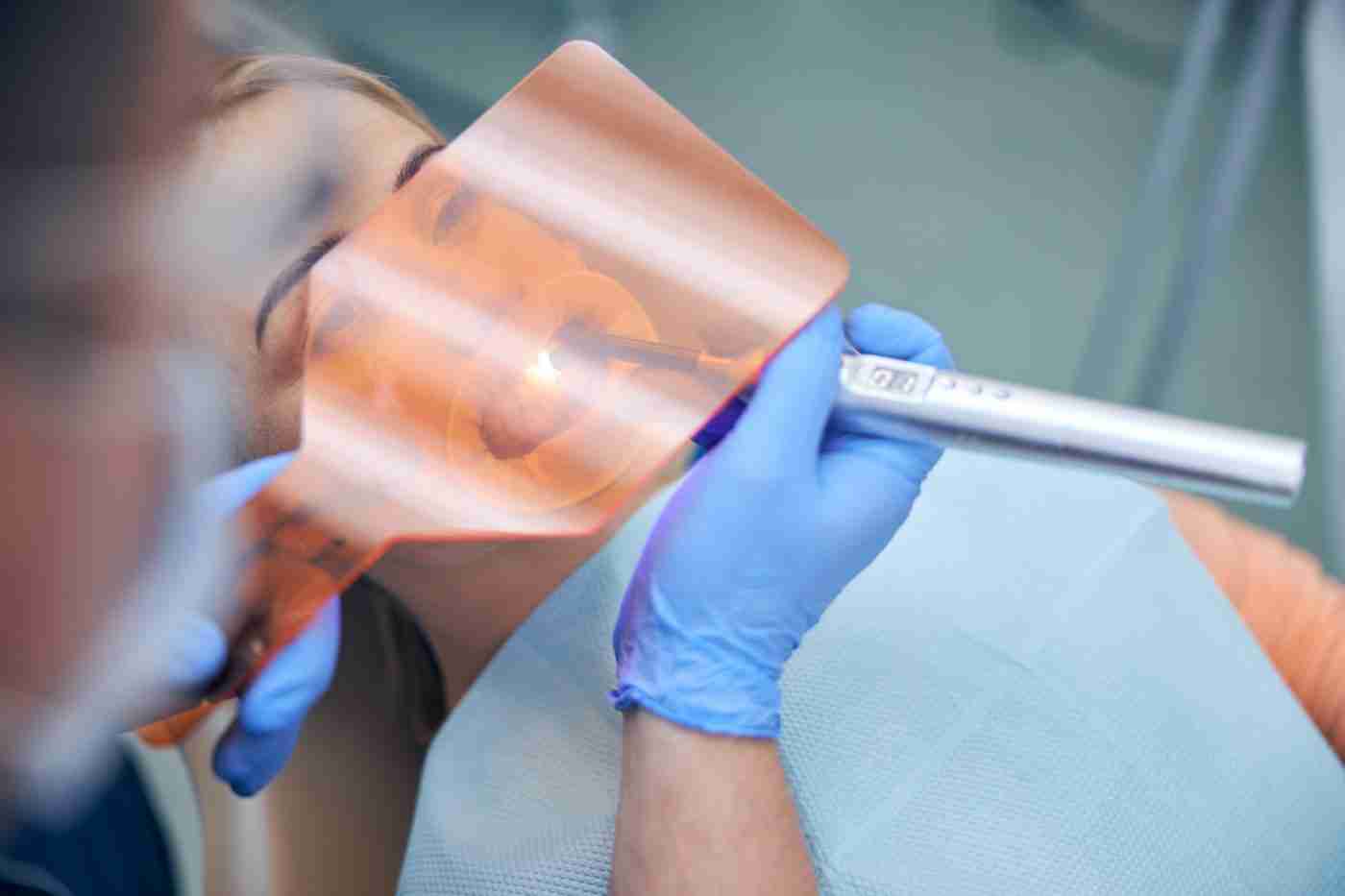
What Are Dental Fillings?
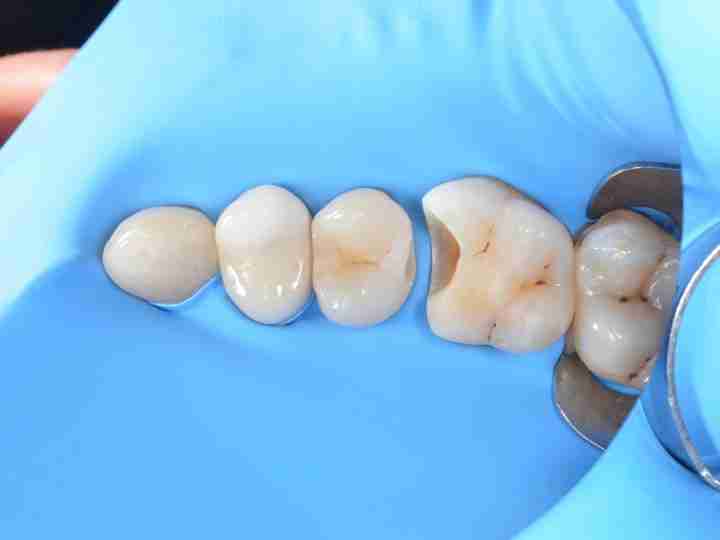
A dental filling repairs a tooth damaged by decay or a minor injury. At Infinity Smiles, we primarily use tooth-colored composite resin, which bonds directly to your tooth and blends in with your natural smile, restoring both function and appearance in a single visit.
When Do You Need a Filling?
A filling is usually recommended when a cavity is found during your exam or on a digital X-ray, though you might also notice new sensitivity to hot, cold, or sweets, a visible dark spot, or a small chip. Catching decay early usually means a simpler, smaller filling, which is one more reason routine checkups and cleanings matter.
Choosing the Right Filling Material
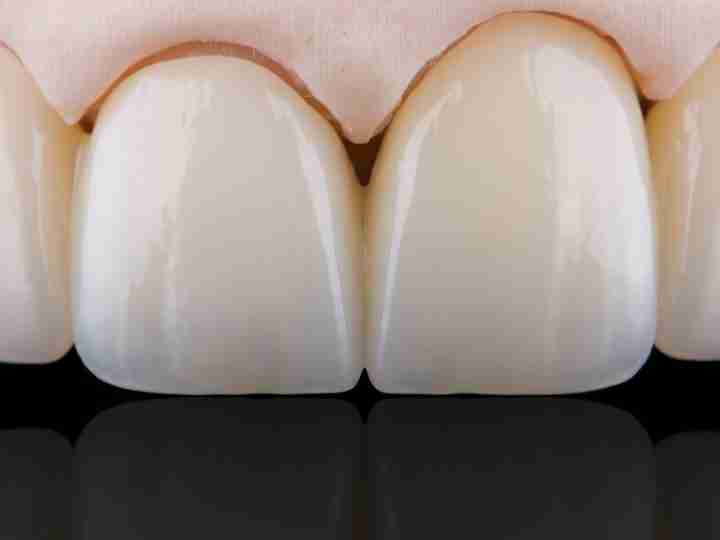
Composite resin is our most commonly used filling material, since it blends seamlessly with your natural tooth and bonds directly to the tooth structure. For certain cases, porcelain is another option we may discuss with you, chosen based on the size and location of the cavity and what will hold up best long-term. We will walk you through which material fits your situation before we begin.
The Dental Filling Process
- Exam and Diagnosis We use digital X-rays and intraoral photos to confirm the extent of the decay and show you exactly what we are seeing.
- Removing the Decay The damaged area of the tooth is carefully cleaned out, often with the help of laser dentistry for a more precise, comfortable experience.
- Placing the Filling Your tooth-colored composite is applied in layers and shaped to match the natural contours of your tooth.
- Shaping and Polishing We check your bite and polish the filling so it feels smooth and natural against your other teeth.
Caring for Your Filling
Most patients can eat and drink normally once the numbness from anesthesia wears off, usually within a couple of hours. A filling is cared for just like the rest of your teeth: regular brushing, flossing, and checkups. If you notice ongoing sensitivity, a sharp edge, or discomfort when biting down, let us know so we can take a look.
A filling appointment is usually completed in a single visit, start to finish, so you can typically plan around a regular lunch break or a short window in your day, and go right back to your normal routine afterward.
What Does a Filling Cost?
The cost of a filling depends on its size and the material used, and we will always walk you through your options before treatment. Most dental insurance plans include coverage for fillings, and we also offer payment plans if you would rather spread out the cost.
Frequently Asked Questions
How long do dental fillings last?
Most fillings last between 5 and 15 years, depending on the material used and how well you care for your teeth.
Regular checkups let us monitor your fillings and catch any wear before it becomes a bigger issue.
Are dental fillings painful?
No, the area is fully numbed with local anesthesia before we begin, so placing a filling is typically pain-free.
You may notice mild sensitivity to temperature for a short time afterward, which usually fades on its own.
Can I eat normally after getting a filling?
You can eat once the anesthesia fully wears off, usually within a couple of hours.
We recommend waiting until feeling has returned to avoid accidentally biting your cheek or tongue while still numb.
What if the damage is too extensive for a filling?
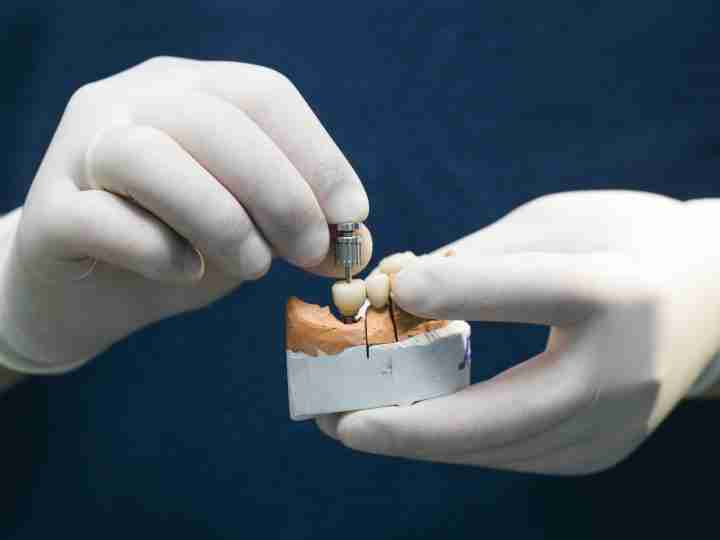
If a tooth has more damage than a standard filling can address, we may recommend an inlay or onlay, or a full crown, instead.
We will always explain why a different option makes more sense before moving forward with treatment.