What Is All-on-X?
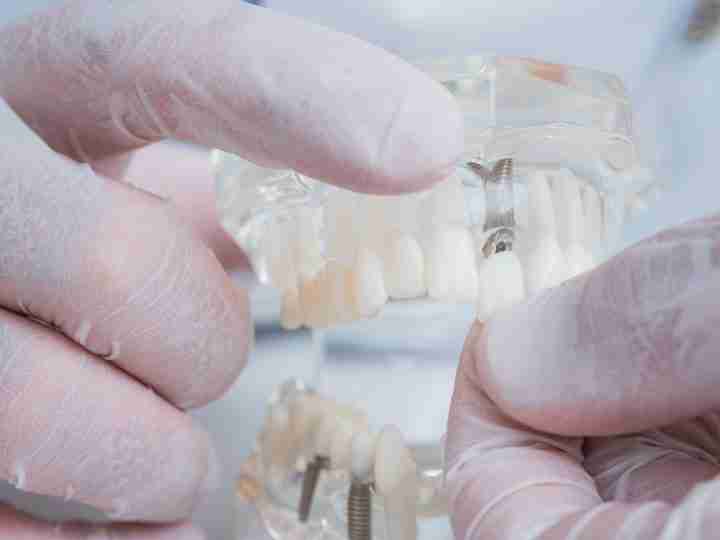
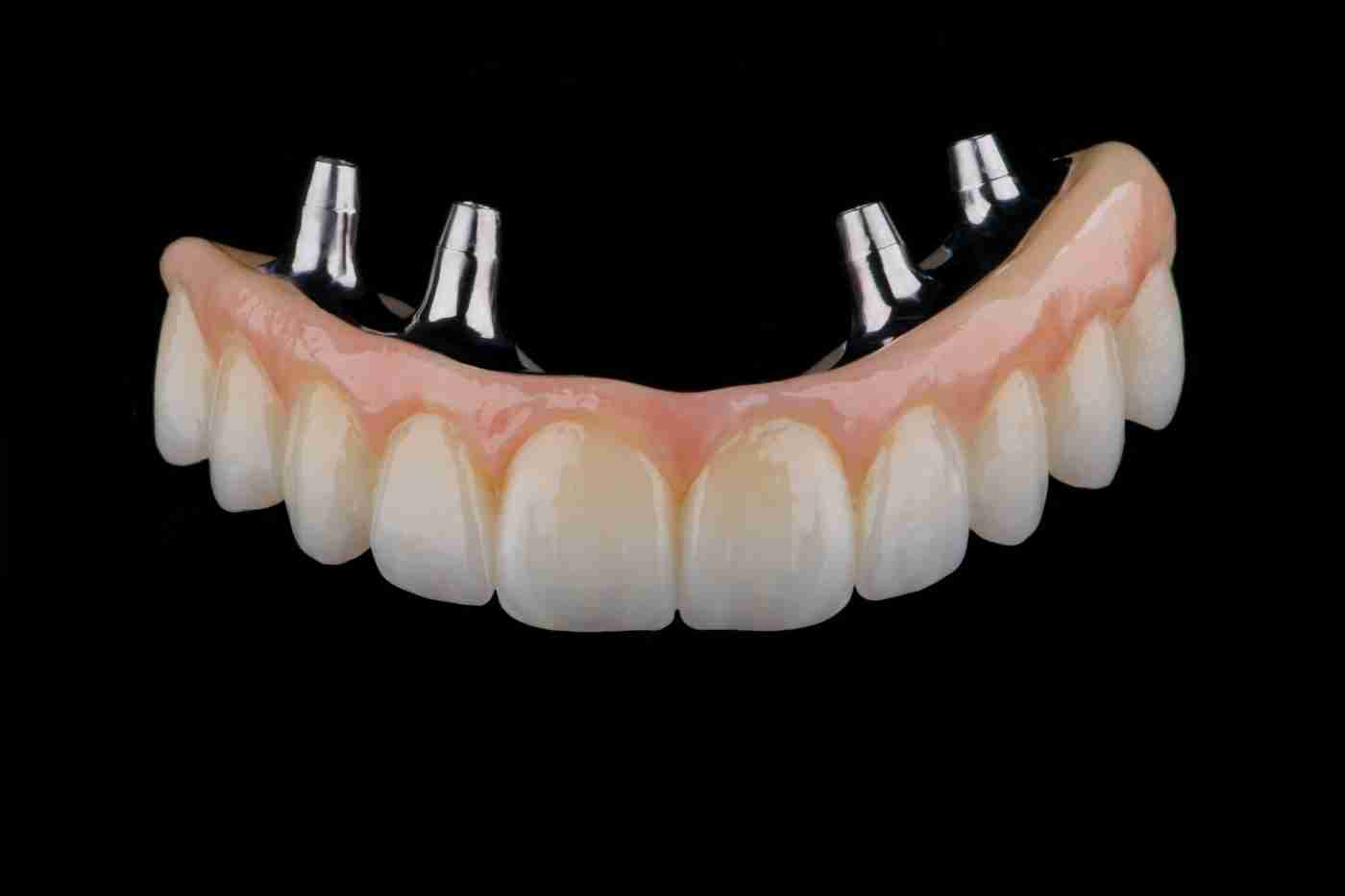
All-on-X is a way to replace a full arch of missing or failing teeth using a set of dental implants placed in the jawbone. A custom prosthesis, a complete set of upper or lower teeth, attaches securely to those implants. The result is fixed and non-removable, unlike a denture, which comes out for cleaning.
The X refers to the number of implants your case needs, commonly four, five, or six. Dr. Solomon Borukhov determines the right number after reviewing your jaw, your bone, and a 3D scan, and often angles the back implants to make use of available bone and reduce the need for grafting.
Benefits of All-on-X
Who Is a Candidate for All-on-X?
- Missing most or all of your upper or lower teeth
- Living with teeth that are failing or badly damaged and likely to need extraction
- Wearing a removable denture and wanting a fixed alternative instead
- In generally good health, with gum health suitable for treatment
- Have enough jawbone to support implants, or open to grafting where bone is limited
If you are only missing one or a few teeth rather than a full arch, standard dental implants may be the better option, something we can review together at your consultation.
The All-on-X Process
- 3D Scan and Planning We examine your mouth and take a 3D CBCT scan of your jaw so Dr. Borukhov can plan the number and position of your implants precisely.
- Implant Placement Surgery Your implants are placed in the jaw during a single surgical visit, with back implants often angled to use available bone and reduce the need for grafting.
- Temporary Fixed Teeth In most cases, you receive a temporary fixed set of teeth the same day as surgery, so you leave with a full arch rather than a gap.
- Healing Over roughly three to six months, the implants fuse with your jawbone, creating the stable foundation your final teeth rely on.
- Final Prosthesis Once healing is complete, we fit your custom final prosthesis, made to match your bite and the look you want.
All-on-X vs. Traditional Dentures
| All-on-X Implants | Traditional Dentures | |
|---|---|---|
| Stability | Fixed to implants, stays in place | Removable, can shift or slip |
| Adhesives | None needed | Often required |
| Chewing function | Close to natural teeth | Limited with some foods |
| Effect on jawbone | Helps preserve bone | Does not stimulate bone |
| Daily maintenance | Brush like natural teeth | Removed for cleaning and soaking |
Recovery After All-on-X
Recovery is manageable for most patients with normal post-operative care. Some swelling and soreness in the first few days is expected, and we will give you clear instructions on managing it. You will follow a soft diet during early healing while the implants integrate with your bone, gradually returning to a fuller range of foods as you heal. Once your final prosthesis is fitted, care for it with regular brushing, the cleaning tools we recommend, and routine checkups so we can keep your implants and gums healthy long term.
What Does All-on-X Cost?
The cost of All-on-X depends on your case, including how many implants you need and the details of your final prosthesis, so we provide a personalized quote after your consultation and 3D scan rather than a one-size-fits-all figure. To make treatment more accessible, financing options are available, and we can also check your insurance benefits with you. Call 718-550-3541 to book a consultation and get a quote built around your needs.
Frequently Asked Questions
How many implants will I need?
Most cases use four implants per arch, which is where the name All-on-4 comes from. Some patients need five or six for the best support.
Dr. Borukhov confirms the right number after reviewing your 3D scan.
Will I leave surgery without teeth?
In most cases, no. Many patients receive a temporary fixed set of teeth on the day of surgery, so you leave with a full arch while your implants heal.
Your final prosthesis is fitted once healing is complete.
Do I need a bone graft?
Not always. Angled placement of the back implants often makes use of available bone and avoids grafting.
If you have significant bone loss, grafting can address it, and we will discuss that with you at your consultation.
Is the procedure painful?
Surgery is done so you stay comfortable, and most patients manage recovery with routine post-operative care.
Some soreness and swelling in the first few days is normal and expected.
Are these teeth permanent?
The implants and prosthesis are a fixed, long-term solution that does not come out like a denture.
With good hygiene, routine checkups, and occasional prosthesis maintenance, they are designed for many years of use.