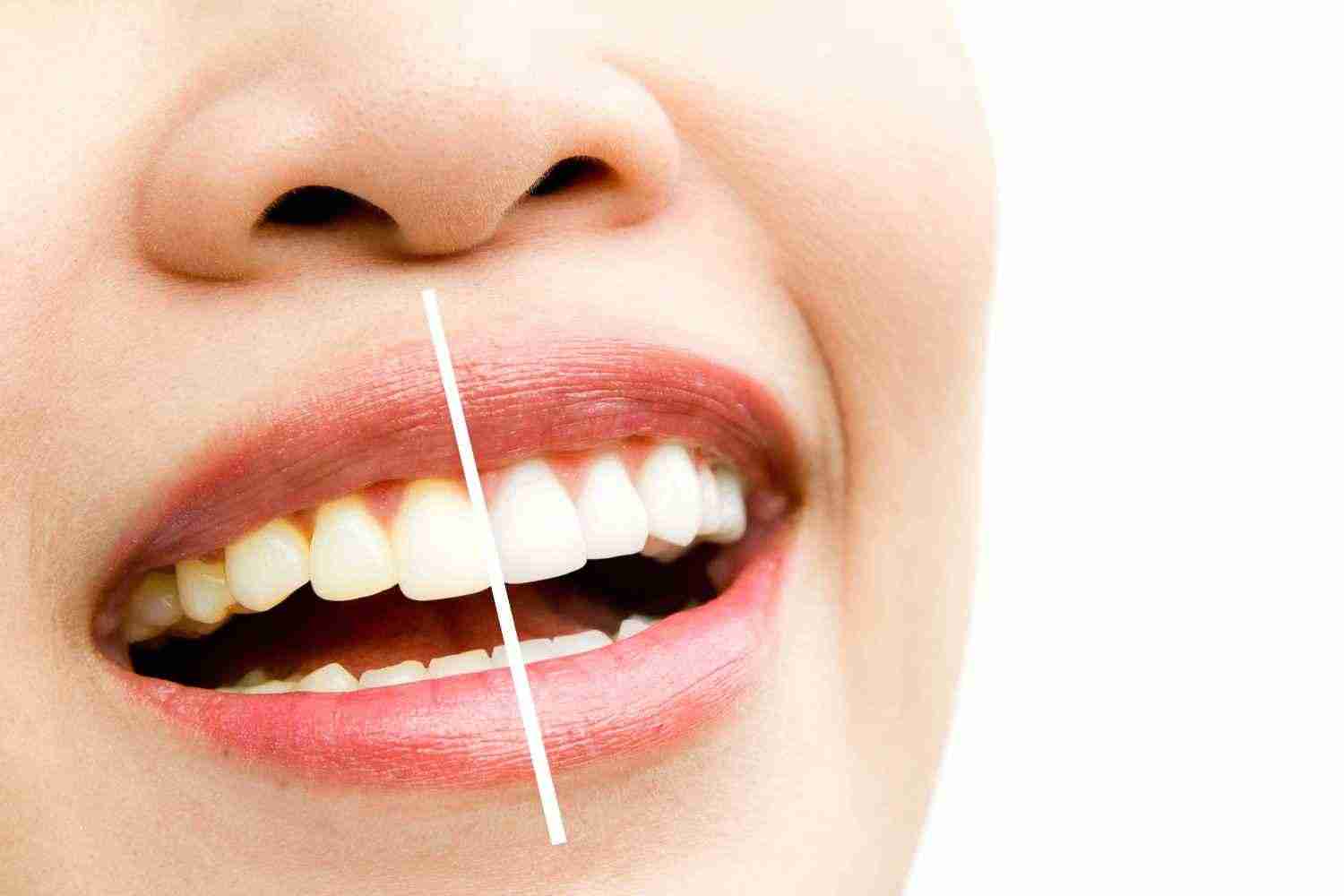
When a Brighter Smile Feels Out of Reach—Don’t Stop Here
If you’ve ever looked in the mirror after a whitening treatment and thought, “Is that it?”, you’re not alone. Teeth are complex, stains are layered, and not every smile responds the same way to whitening gels, strips, or even professional in-office treatments.
The good news: a brighter, more confident smile is still possible. It just might require a different strategy—one that matches the true cause of your discoloration and your long-term goals.
This guide breaks down veneers vs teeth whitening, explains what to do when teeth whitening does not work, and explores veneers for discolored teeth in a practical, step-by-step way. If you’re also looking for a cosmetic dentist near Murray Hill, you’ll find clear pointers on how to choose care that feels personalized, not one-size-fits-all.
Why Teeth Look Discolored in the First Place
Before deciding on whitening or veneers, it helps to understand what you’re actually trying to change. Tooth discoloration generally falls into a few categories, and each responds differently to treatment.
Extrinsic stains (surface stains)
These are the most common and the most responsive to whitening. They tend to come from:
- Coffee, tea, red wine
- Dark berries and sauces
- Tobacco use
- Inadequate brushing/flossing habits
If your discoloration is mostly extrinsic, whitening can often make a noticeable difference.
Intrinsic stains (inside the tooth)
Intrinsic discoloration is deeper—inside the enamel/dentin layers. It may be caused by:
- Trauma to a tooth
- Certain medications (some taken during tooth development)
- Fluorosis
- Natural aging (enamel thins over time, revealing yellower dentin)
Intrinsic stains are often the reason people search what to do when teeth whitening does not work—because standard whitening can only do so much when the color is coming from within.
Restorations that don’t whiten
One more important truth: crowns, bonding, and fillings don’t lighten with whitening products. So if you have visible dental work, whitening may create uneven color where natural teeth brighten but restorations stay the same.
Veneers vs Teeth Whitening: How to Choose the Right Path
The decision between whitening and veneers isn’t about “better” or “worse.” It’s about selecting the most predictable tool for your specific smile.
Teeth whitening: best for healthy enamel and stain-based discoloration
Teeth whitening is often a great first step if:
- Your teeth are generally straight and evenly shaped
- Your discoloration is mild to moderate
- You want a more conservative and cost-effective approach
- You’re okay with periodic touch-ups
Whitening can be done:
- Over-the-counter (strips, trays)
- Professionally supervised take-home whitening
- In-office whitening performed by a dentist
Professional options typically provide stronger, more controlled results and may reduce sensitivity compared to DIY methods.
Veneers: best for stubborn discoloration and multi-issue smile upgrades
Veneers are thin shells (commonly porcelain or composite) placed over the front of teeth to improve appearance. They’re often chosen when discoloration is:
- Deep, uneven, or resistant to whitening
- Paired with cosmetic concerns like chips, gaps, worn edges, or irregular shape
If your smile goals include both brightening and reshaping, veneers can be a more comprehensive solution.
The mindset shift that helps
Instead of asking “Which is faster?” consider asking:
- “Which option gives me the most predictable result for my type of discoloration?”
- “Do I want a brightness change only, or do I want a full smile enhancement?”
- “How important is low maintenance vs ongoing touch-ups?”
That’s the real heart of veneers vs teeth whitening—matching the method to the outcome you want.
What to Do When Teeth Whitening Does Not Work
If you’ve tried whitening and your teeth didn’t change much—or the change faded quickly—don’t assume you’re stuck. Use this as a diagnostic moment.
Step 1: Confirm what kind of whitening you used (and whether it was strong enough)
Many store-bought products have lower concentrations of whitening ingredients. They can work, but results are often subtle—especially for deeper stains.
Ask yourself:
- Did I use it consistently for the full recommended period?
- Was it an OTC product or dentist-supervised whitening?
- Did I stop early due to sensitivity?
If the answer is “I’m not sure,” you may simply need a better-fitting tray, more structured plan, or professional guidance.
Step 2: Rule out stain sources that keep reappearing
Whitening can be undermined by daily habits. Consider whether you’re whitening while still:
- Drinking coffee/tea frequently
- Smoking/vaping
- Skipping regular cleanings
- Snacking on staining foods without rinsing afterward
You don’t have to give up everything. But small changes—like rinsing with water after coffee or using a straw for iced drinks—can help maintain results.
Step 3: Get a professional cleaning first
Sometimes “discoloration” is actually plaque, tartar, or surface staining that needs professional removal. Whitening on top of buildup can lead to uneven results.
A cleaning is often the most overlooked first step, and it can make whitening more effective afterward.
Step 4: Check for intrinsic discoloration (or a single dark tooth)
If one tooth is darker than the rest, it might be:
- A result of trauma
- A sign of internal tooth changes
- Related to prior dental work
That tooth may not respond to whitening the same way, and it might require a different approach (sometimes internal whitening, sometimes a veneer or crown, depending on the tooth’s condition).
Step 5: Consider that whitening may not match your expectations—and that’s okay
A healthy smile can be beautiful without being ultra-white. Some natural shades simply won’t shift beyond a certain point without restorative cosmetic options.
If you’re repeatedly searching what to do when teeth whitening does not work, it may be time to explore veneer options for a brighter result that doesn’t depend on bleaching chemistry.
Veneers for Discolored Teeth: When Whitening Isn’t Enough
For many people, veneers for discolored teeth become the turning point—especially when discoloration is stubborn, patchy, or tied to enamel issues.
What veneers can do for discoloration
Veneers can:
- Mask deep intrinsic stains
- Create a more uniform shade across the smile
- Cover discoloration that doesn’t respond to whitening
- Help “reset” the look of teeth that have uneven color or mottling
If you want to dive deeper into the mechanics and results, this resource on how veneers can improve stubborn tooth discoloration explains why veneers can be a reliable option when whitening hits a wall.
Porcelain vs composite veneers (high-level overview)
While specifics should be discussed with a dentist, here’s a simple way to think about it:
- Porcelain veneers are known for durability and stain resistance, with a natural enamel-like appearance.
- Composite veneers may be more affordable in some cases and can sometimes be completed more quickly, but may stain more over time than porcelain.
Your best option depends on your tooth structure, goals, and how dramatic a change you’re trying to achieve.
Are veneers only for “perfect” smiles?
Not at all. Veneers are often chosen by people who want their smile to reflect how they feel inside—capable, confident, and ready for the next chapter.
If discoloration makes you hold back from laughing freely, speaking up, or taking photos, veneers can be about more than aesthetics. They can be about momentum.
Teeth Whitening Pros and Cons (So You Can Decide With Confidence)
Whitening is popular because it’s conservative and accessible. But knowing its limits helps you avoid frustration.
Pros of teeth whitening
- Non-invasive (no enamel removal for trays/strips)
- Typically more affordable than veneers
- Can be repeated periodically
- Works well for many surface stains
Cons of teeth whitening
- Less effective for intrinsic stains
- Can cause temporary sensitivity or gum irritation
- Results vary significantly person to person
- Doesn’t change the color of crowns/fillings/bonding
- May require ongoing maintenance
If your teeth have multiple cosmetic concerns beyond shade, whitening may feel like it only gets you halfway.
Veneers Pros and Cons (A Realistic Look)
Veneers can be transformative—but they’re still a dental procedure, and they require thoughtful planning.
Pros of veneers
- Can deliver dramatic, predictable shade changes
- Covers deep discoloration effectively
- Can improve symmetry, shape, small gaps, and minor chips
- Porcelain veneers are generally stain-resistant
Cons of veneers
- More investment than whitening
- Usually requires some enamel modification (varies by case)
- Requires excellent long-term hygiene and routine checkups
- If damaged, a veneer may need repair or replacement
If you’re considering veneers, don’t rush. The goal is not just to look better next week, but to feel great about your decision for years.
For a deeper overview of preparation, materials, and planning, review what patients should know before getting veneers so you can walk into a consultation with clarity.
Actionable Decision Guide: Whitening or Veneers?
Use this quick guide as a starting point.
Whitening may be right if you:
- Like your tooth shape and alignment
- Have yellowing from coffee/tea or normal aging
- Want a conservative first step
- Are okay with gradual improvements and touch-ups
Veneers may be right if you:
- Have deep discoloration or mottled enamel
- Have uneven color that whitening doesn’t correct
- Want to brighten and refine shape at the same time
- Need a predictable, uniform result for photos, events, or personal confidence
And remember: you don’t always have to choose one forever. Some people whiten first, then decide on veneers later. Others use veneers for the most visible teeth and whitening for the rest—depending on what’s in their mouth and what result they want.
What to Expect at a Cosmetic Consultation (And How to Prepare)
A great consultation should feel like planning, not pressure.
Here’s how to make it productive.
Bring clarity on your goal
Instead of saying “I want whiter teeth,” try:
- “I want a brighter but natural shade.”
- “I want my smile to look more even in color.”
- “I want to stop feeling self-conscious in photos.”
Your dentist can’t read your mind, but they can translate your goal into a realistic plan.
Bring examples (optional, but helpful)
If you have photos where you like your smile—or photos of smiles you admire—bring them. This helps communicate your taste: bright Hollywood white vs natural luminous white, rounded edges vs squared, and so on.
Ask the right questions
Consider asking:
- “Is my discoloration extrinsic or intrinsic?”
- “How many shades can I realistically lighten with whitening?”
- “Will any existing fillings/crowns look mismatched after whitening?”
- “If I choose veneers, what prep is required in my case?”
- “What kind of maintenance will I need long term?”
Finding a Cosmetic Dentist Near Murray Hill: What Matters Most
When you’re searching for a cosmetic dentist near Murray Hill, it’s tempting to focus only on proximity or price. But cosmetic dentistry is a blend of health, aesthetics, and precision.
Here are practical criteria to prioritize.
Look for a planning-first approach
Cosmetic dentistry should start with evaluation:
- Gum health
- Bite and wear patterns
- Existing restorations
- Tooth structure and enamel thickness
- Shade analysis and smile design considerations
A brighter smile should still function comfortably and support your long-term oral health.
Look for clear communication
You should feel comfortable asking questions and confident that you understand:
- What’s being recommended
- Why it’s being recommended
- What alternatives exist
- What results are realistic
Consider convenience—but don’t stop there
Convenience matters, especially for follow-ups. If you want cosmetic dental care near Murray Hill, look for a practice that can support your full journey: cleaning, whitening, veneer planning, and ongoing maintenance.
If you’re comparing options and want a Murray Hill dentist for cosmetic treatment planning, prioritize a team that treats cosmetic goals as part of a bigger oral-health picture—not a quick cosmetic fix.
And if you’re the type who loves to map things out (literally), choosing a nearby office for cosmetic smile planning can make it easier to stay consistent with appointments—because consistency is where long-term results live.
How Infinity Smiles Fits Into a Brighter-Smile Plan
If you want a supportive, step-by-step path—whether you’re starting with whitening or considering veneers—Infinity Smiles can be part of that next move.
The most important thing is to choose a dental team that listens to your goals, evaluates the real cause of discoloration, and helps you act on a plan you can feel good about.
A Simple, Motivating Plan You Can Start This Week
If you’ve felt stuck between whitening and veneers, take action in a way that builds momentum.
1) Get honest about what you want
Write down:
- The top 3 things you dislike about your smile (shade, unevenness, chips, gaps, etc.)
- The top 3 changes you want (brighter shade, more uniform color, smoother edges, etc.)
This turns vague frustration into a clear target.
2) Book a cleaning if it’s overdue
A professional cleaning can reveal what’s truly discoloration vs what’s removable buildup. It’s also a smart foundation before any whitening plan.
3) Choose one “first move”
Pick one:
- Try dentist-supervised whitening if you’ve only done OTC
- Ask for an evaluation for intrinsic stains if whitening hasn’t worked
- Schedule a veneer consultation if you want a predictable, comprehensive upgrade
4) Commit to maintenance habits that protect your investment
No matter which route you choose:
- Brush twice daily and floss consistently
- Keep up with routine dental visits
- Rinse after staining drinks when possible
- Be mindful of grinding/clenching (ask about a night guard if needed)
Your smile doesn’t just get brighter in a single appointment—it stays brighter through what you do next.
Choose the Right Solution So Your Smile Matches What You Expect
If you’ve been disappointed by whitening results, that’s not failure. It’s feedback. It’s your smile telling you it needs a different approach.
Understanding veneers vs teeth whitening gives you the power to choose wisely instead of guessing. Knowing what to do when teeth whitening does not work keeps you moving instead of getting discouraged. And exploring veneers for discolored teeth can open a door to results that feel not only brighter—but more aligned with the confident version of you.
You don’t have to settle for “good enough.” You just need the next right plan—and the willingness to take the first step.