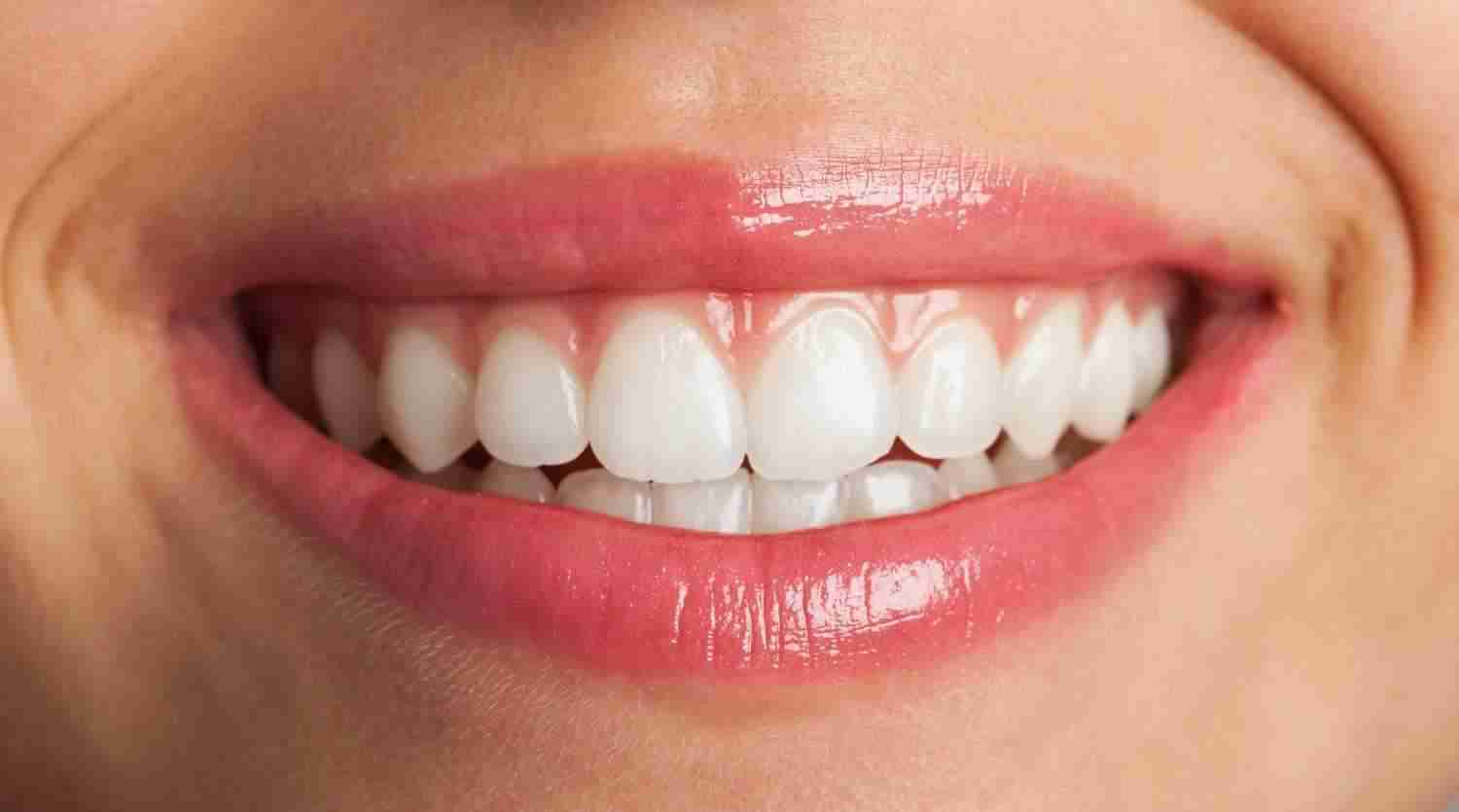
Why Oral Health Month and Oral Cancer Awareness Month Matter in New York
Oral Health Month and Oral Cancer Awareness Month are timely reminders that a healthy mouth is about far more than a bright smile. Your teeth, gums, tongue, and throat are connected to daily essentials—eating comfortably, speaking clearly, sleeping well, and feeling confident. They’re also connected to your overall health, which is why prevention and early detection deserve a place on your calendar.
In a fast-paced city like New York, it’s easy to postpone routine checkups until something hurts. But pain is often a late-stage signal. These awareness months are a practical opportunity to reset: schedule overdue visits, refresh your at-home routine, and learn what to look for—especially when it comes to oral cancer and other conditions that may start silently.
What a Routine Dental Exam Actually Does (and Why It’s Not “Just a Cleaning”)
Many people think of a dental visit as a quick polish and done. In reality, a comprehensive exam can uncover issues long before they become expensive or uncomfortable.
A typical preventive visit often includes:
- A review of health history and current medications (some can affect saliva, gums, and healing)
- Gum evaluation for inflammation or early periodontal disease
- Tooth-by-tooth examination for cavities, cracks, worn enamel, and failing restorations
- Bite and jaw checks for clenching/grinding signs
- Guidance on brushing, flossing, and tools that match your needs
- Imaging when appropriate, to detect decay between teeth or problems below the gumline
If you’re due for checkups, consider booking dental exams in New York as part of your Oral Health Month plan. Preventive care is one of the simplest ways to protect both your time and your budget long-term.
Why Early Detection Saves More Than Teeth
Small issues tend to grow quietly: a tiny cavity becomes a large filling, then potentially a root canal or crown. Gum inflammation can progress to periodontal disease, which may contribute to tooth mobility and eventual tooth loss. Early identification often means simpler, less invasive treatment—and fewer surprises.
Oral Cancer Awareness: What You Should Know (Without the Fear Factor)
Oral cancer can affect areas you might not think to check: the tongue, floor of the mouth, inner cheeks, palate, gums, lips, and throat. Awareness isn’t about panic—it’s about paying attention and acting promptly if something doesn’t seem right.
The key message of Oral Cancer Awareness Month is simple: many concerning changes can be subtle at first, and a trained dental professional is well-positioned to spot abnormalities during routine visits.
Common Warning Signs to Take Seriously
If any of the following persist for more than two weeks, it’s worth getting evaluated:
- A sore in the mouth that doesn’t heal
- A persistent red or white patch in the mouth
- A lump, thickened area, or rough spot
- Ongoing pain, numbness, or tenderness in the mouth or lips
- Difficulty chewing, swallowing, or moving the jaw/tongue
- A chronic sore throat or feeling that something is “stuck”
- Voice changes that don’t improve
- Unexplained bleeding in the mouth
These symptoms do not automatically mean cancer—many can be caused by irritation, infection, or other conditions. The point is persistence: if it’s not improving, get it checked.
Who Should Be Extra Proactive?
Oral cancer risk can be influenced by multiple factors. While not everyone with risk factors develops oral cancer, it’s smart to be more vigilant if you:
- Use tobacco in any form
- Drink alcohol frequently
- Have a history of HPV infection (some throat cancers are associated with HPV)
- Spend significant time in the sun (lip exposure matters)
- Have a personal history of cancer or immune suppression
Even without these factors, screenings are still valuable—because early detection matters.
If you’re looking for an oral cancer screening in New York, consider making it part of your routine preventive care rather than waiting for symptoms.
What to Expect During an Oral Cancer Screening
An oral cancer screening is typically quick and non-invasive. While exact steps vary by provider and your individual needs, screenings generally involve a careful visual and physical evaluation of the tissues in and around your mouth.
A clinician may:
- Examine the lips, cheeks, gums, tongue (top and underside), and palate
- Check the floor of the mouth and back of the throat area that can be visualized
- Feel for unusual lumps or tissue changes
- Ask about any symptoms you’ve noticed (pain, hoarseness, changes in swallowing)
If anything looks suspicious, you may be advised to monitor it, return for a recheck, or seek additional evaluation. The most important takeaway is that screenings can identify issues earlier, when outcomes are typically better.
Practical Oral Health Habits to Refresh This Month
Awareness months are most effective when they lead to simple, repeatable actions. Here are upgrades you can make immediately—without overhauling your entire routine.
Upgrade Your Brushing (Technique Beats Force)
- Brush twice daily for two minutes.
- Use gentle pressure—scrubbing hard can irritate gums and wear enamel.
- Angle bristles toward the gumline and move methodically (don’t rush the back teeth).
If you’re unsure whether your technique is effective, ask for a quick demo at your next visit. Small adjustments can dramatically improve plaque removal.
Flossing: Make It Specific and Sustainable
If flossing feels like a chore, focus on consistency first:
- Start with once per day, even if it’s not perfect.
- Curve the floss around each tooth in a “C” shape and slide gently below the gumline.
- If string floss is tough, try floss picks or interdental brushes (the “best” tool is the one you’ll actually use).
Don’t Ignore Dry Mouth
Dry mouth can increase cavity risk because saliva helps neutralize acids and wash away food particles. If you’re experiencing persistent dryness:
- Sip water regularly
- Ask your dental team about products designed for dry mouth
- Review medications with your healthcare provider (do not stop meds without medical guidance)
Protect Your Smile If You Grind
Jaw tension and tooth grinding can lead to headaches, worn enamel, sensitivity, and fractures. If you wake up with soreness or notice flattened teeth, ask your dentist whether a night guard is appropriate.
Navigating Preventive Care in a Busy City
New Yorkers juggle work, commutes, and family responsibilities, so preventive care often gets pushed down the list. A helpful mindset shift is to treat dental visits like routine maintenance—similar to renewing a license or getting an annual physical.
If you’re coordinating care for a family, consider aligning appointments close together. And if you’ve been avoiding the dentist due to anxiety, share that upfront—many practices can adjust pacing, explain steps in advance, and help you feel more in control.
For those exploring options for ongoing New York dental care, it helps to choose a practice that makes preventive visits straightforward—clear communication, consistent follow-ups, and support for long-term oral health.
How Infinity Smiles Fits Into an Actionable Oral Health Plan
Oral Health Month and Oral Cancer Awareness Month are ideal times to build a simple checklist you can repeat every year:
- Schedule your routine exam and cleaning.
- Ask whether an oral cancer screening is included in your visit.
- Replace your toothbrush (or brush head) and check your floss supply.
- Identify one habit to improve for the next 30 days (like nightly flossing or reducing sugary drinks).
If you want a preventive-focused approach with guidance you can actually apply at home, Infinity Smiles can be part of that plan—helping you stay consistent, spot issues early, and keep your oral health on track in the middle of city life.
Use This Month to Reset Your Routine Before Small Issues Grow
Awareness months are a starting point, not a finish line. The most impactful oral health strategy is the one you’ll maintain: routine exams, daily plaque control, and prompt attention to anything unusual.
Use this season as your reminder to book preventive care, ask questions, and keep an eye out for persistent changes in your mouth. A small action today—like scheduling a checkup or screening—can make a significant difference for your health later.